Exploring STEAM through Nature: Colors, Shapes, & Numbers in the Great Outdoors
Pleasant weather means it is time to head outdoors with the kids! Nature provides an abundant wealth of play activities for children covering the entire STEAM gamut. Depending on where you live, you might be able to play outdoors year-round; in other places, the warming of spring or cooling of fall might be the perfect temperate weather you need for a fun day outside.
Whatever your situation, giving your kids some outdoor playtime benefits them both cognitively and physically! Sunshine, fresh air, and exercise are key components of a healthy kid (and healthy parents).
At Kneebouncers, we’re all about learning through play; our safe, ad-free games for toddlers and preschoolers promote STEAM learning across all areas!
Read on to discover ten fantastic ways to use the outdoors to teach STEAM and which Kneebouncer games you can use to reinforce your little one’s skills.
Natural Math
Math surrounds us, especially in nature. Use the things you can see and touch to practice math skills with your little one.
- Count rocks, seashells, leaves, trees, birds, etc.
- Use a magnifying glass to explore the geometry of leaf structure
- Sort items by type, shape, or color
- Compare the weight between objects, or compare more and less
- Explore shapes in nature; once at home, reinforce shape learning with the safe, learning-focused game Feed the Frogs.
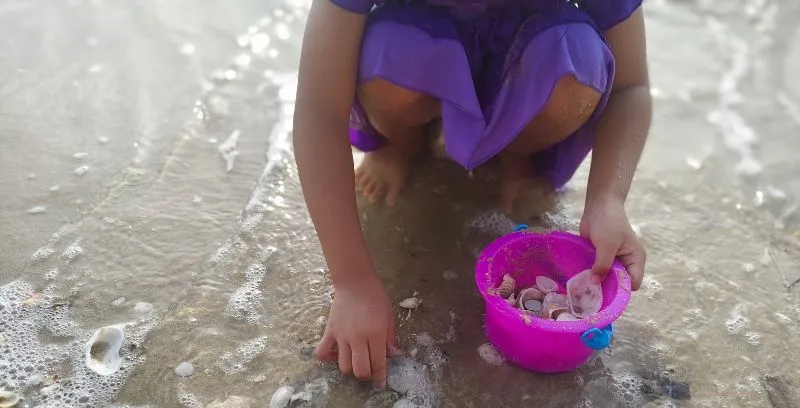
Using natural materials to explore math concepts builds mathematical skills such as counting, quantifying, categorizing, and comparing size, shape, and weight. Exploring natural items also helps children develop curiosity and wonder about the natural world and the elements that make it up.
Rock Art
Nature and art go hand in hand. You can find art in nature almost anywhere you look; it also provides us with an abundance of materials for art. Encourage your child to collect rocks of different sizes and use them to create a sculpture. They’ll learn about gravity and weight as they try to balance rocks. Rock painting is another fun way to engage in art, and the pieces can be added to your garden or given as gifts.
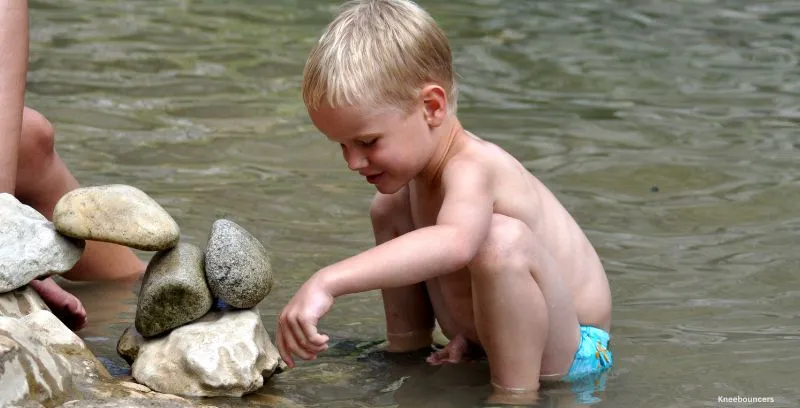
As your child manipulates the rocks to stack and organize them, they are exploring engineering concepts and learning about gravity, size, and weight. The process also encourages their creative, critical thinking, and problem-solving skills. Painting rocks, of course, engages their creative side as they explore artistic concepts.
Bubble Science
Almost all kids love bubbles. There’s something fun about bubbles blowing about and running to pop them. But there’s a lot of science that goes into making bubbles and why they move the way they do.
Playing with bubbles offers a science and math lesson because you can create your own bubbles from a simple recipe!
If your little one loves bubbles, try Pop Star, an ad-free, safe game for preschoolers to learn numbers, letters, and shapes!
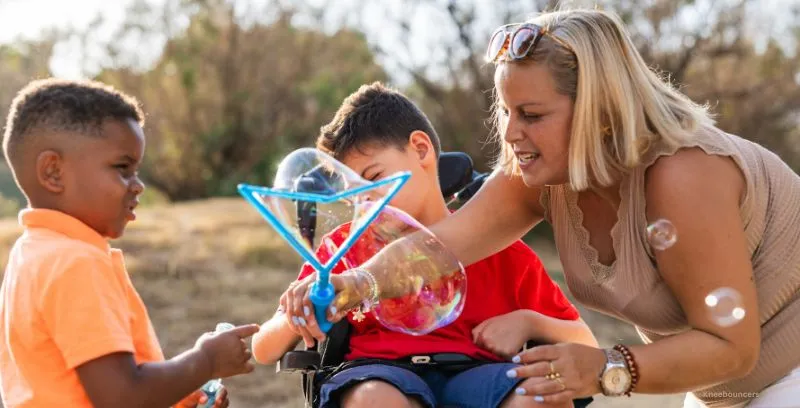
Bubbles are a fun way to get kids moving. Challenge your little one to chase and pop bubbles using only their nose or their knee. Ask your kid to count bubbles as they pop them to sprinkle in some math! As your child plays with, chases, and pops bubbles, they’re practicing scientific inquiry skills, learning about chemistry and physics. Use different sizes and types of bubble wands to add the technology element to their play!
Nature Scavenger Hunt
Kids love games, and learning through play is the best way to learn! Scavenger hunts are an excellent way for your child to practice their existing knowledge and learn something new! One of the things that makes scavenger hunts an ideal learning tool is that they can be modified for any age or skill level. Vary the activity by having children hunt for specific objects listed, objects of a certain color or shape, or observe and journal what they see.
Check out this free scavenger hunt resource from Teachers Pay Teachers.
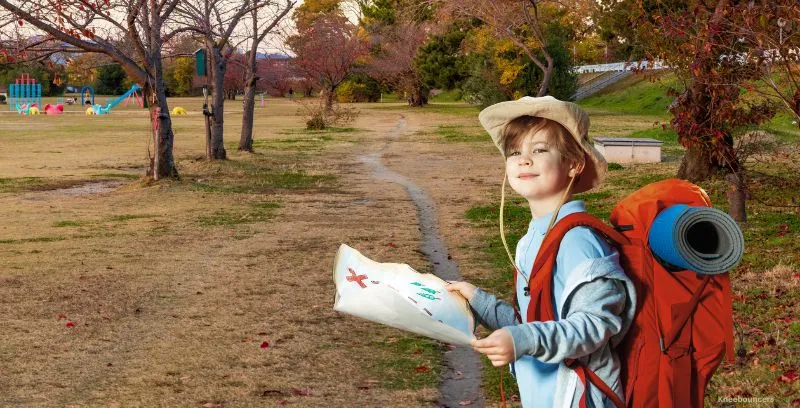
Younger kids can use simple picture cards to check off items they see, like a tree, a bird, or a flower. Older children can begin learning to use maps to navigate to specific clues. For example, “Walk to the end of Birch Street and make a left.” You can use design programs like Canva to create a basic map of your neighborhood and then add clues!
Going on a scavenger hunt develops your child’s understanding of plants, animals, and the natural world. It promotes early literacy skills, object recognition, and critical thinking skills.
Structure Building
LEGOs, magnet tiles, and K'nex are all excellent and educationally sound building toys, but why not try something new and have your kid build with natural materials? Start by collecting items you find outside in a bucket or tote bag, then give your child time and space to create freely.
As your child creates, ask them to tell you about what they're making. Using open-ended questions promotes conversation skills and critical thinking. Avoid asking “What’s that?” or making statements such as “You built a castle.” It may look like a castle to you, but to them it might be a rocket ship, a haunted house, or a pirate ship.
By asking them to tell you about it, you leave the door open for their imagination and avoid imposing your preconceived notions on them.
Using natural materials is a great way to boost your child’s imagination and creativity. They develop engineering skills as they figure out how to design and build their structure and process, considering weight, textures, size, and gravity.
Color Hunt
Help your little one learn their colors with a color hunt! Search for items of one specific color, for example, orange in fall or green in spring. Alternatively, you can take a color checklist or go on a color scavenger hunt to find items in all different colors! Flower Power is one of our many number, shape, and color learning games for three- to five-year-olds. Your little one can play countless learning games on our secure, ad-free website designed for young kids.
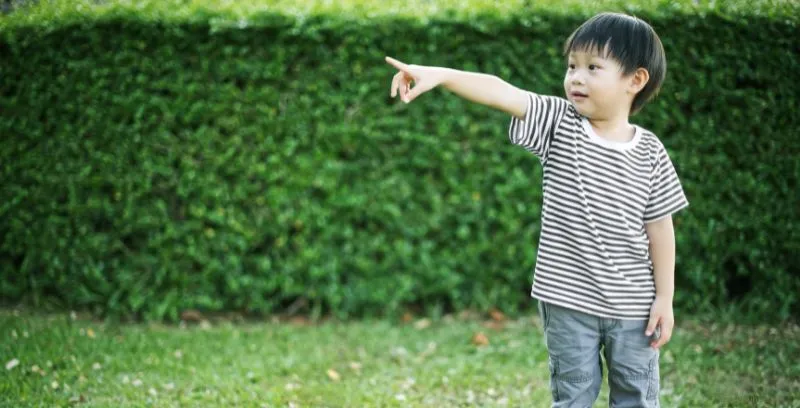
Have your child count up all the items they find. Which color did they find the most of? Was there a color they couldn't find? Easter is a great time to do color hunts because you can hide eggs of all different colors!
As your child searches for and identifies colors outside, they’re developing their cognitive skills, gaining an understanding of the natural world, and building a schema of things that share the same color.
Discovery Tools
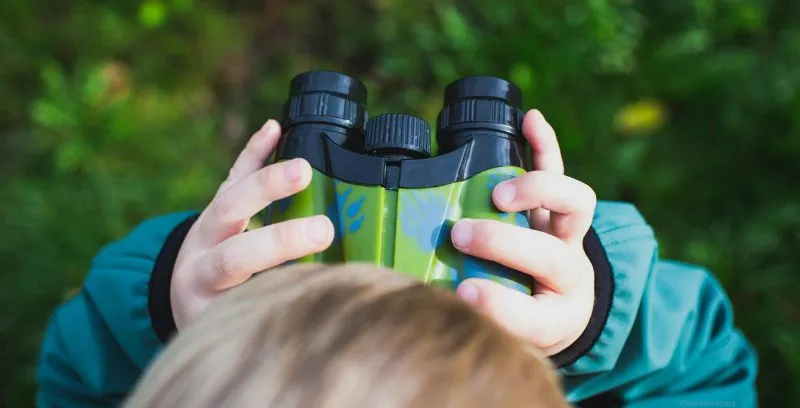
Provide your child with an explorer nature kit and let them roam free as a nature detective. You don’t need anything fancy; a magnifying glass, a sand shovel, and a plastic bucket can be enough for them to collect and investigate materials.
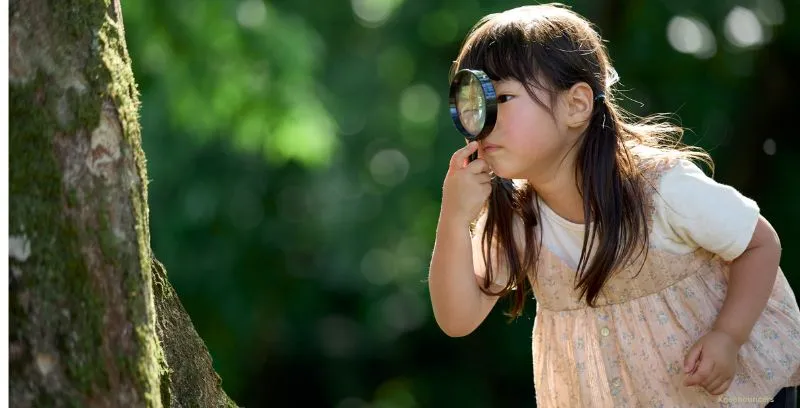
Many nature or “bug catching” kits come with clear boxes that your child can place a creepy-crawly they find to examine. Teach your child the importance of respecting nature, and they should return the bug to where you found it after a few minutes of close-up observation. Examine flowers, tree park, and leaves with a magnifying glass and talk about what these structures look like up close.
Continue learning at home with Bugaboo, a safe and engaging online game for kids under 5. This early math game introduces, reinforces, and helps preschoolers identify numbers.
Check out these amazing books to extend your child’s up-close learning:
- The Fascinating Bug Book by Kristal Monique Toney
- Blossoms Up Close: A Guide to Macro Floral Photography by Gemma Ryder
- Petals in Focus by Jamie Lynn Guajardo
- Exploring Nature Activity Book for Kids by Kin Andrews
Using tools and their senses to explore nature, children develop scientific inquiry skills, learn about the natural world, and strengthen their critical thinking.
Kite Design
Kites are a great spring and summer activity for kids. There is no thrill quite like the one you feel when air catches under your kite, and it soars into the sky. Flying and building a kite can be a great family activity, especially if you have older and younger kids you want to keep entertained outdoors.
There are DIY kits that let children color and design their own kites. Or, if you want to be extra crafty, watch a tutorial on YouTube and make your kite completely from scratch!
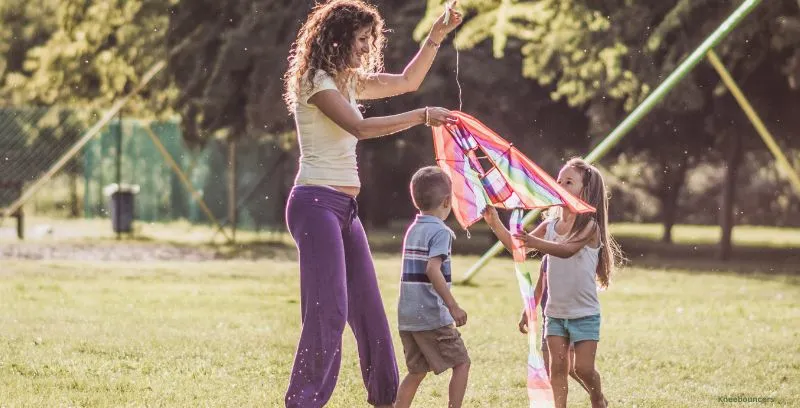
Learning to fly a kite develops one set of STEAM skills: science, engineering, and math, and building a kite develops technology, engineering, visual arts, and math. You’ll also get some exercise running around trying to get your kite in the air!
Gardening
Gardening benefits kids in so many ways! Not only does it get them outside in the fresh air and sunshine, but it also teaches them about the natural world and promotes an interest in healthy eating.
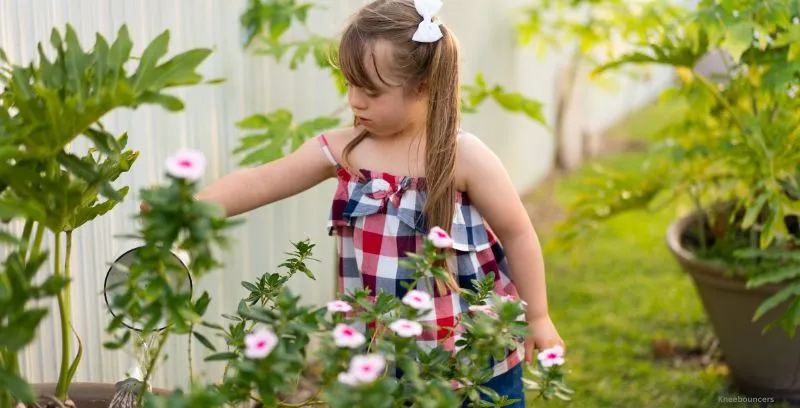
Gardening is a great STEAM activity because you can incorporate all five components! Your child learns about science and the living world by watching plants grow, learning what they need to survive, and learning about pollination. Technology is incorporated through learning to track the weather and seasons, and to use garden tools. Help your little one learn more about the seasons by playing with our interactive calendar.
They’ll learn about engineering by plotting and organizing a garden, and art components include flower arranging and learning colors and patterns. Lastly, gardening teaches math through measuring soil, adding plant food, and counting how many things they’ve grown!
Nature Photography
If you have a child who loves to steal your phone or camera to take pictures, consider teaching them the basics of photography. Nature photography is one of the largest genres in the art form,m as it offers endless possibilities for subjects to photograph.
One of the blessings of using your phone as a camera or digital photography is that it is a cinch to delete, and no film is wasted. Take your child out for a nature photo shoot. Once you’re home, allow them to choose their favorites. Have their pictures printed and, together, make an album or scrapbook.
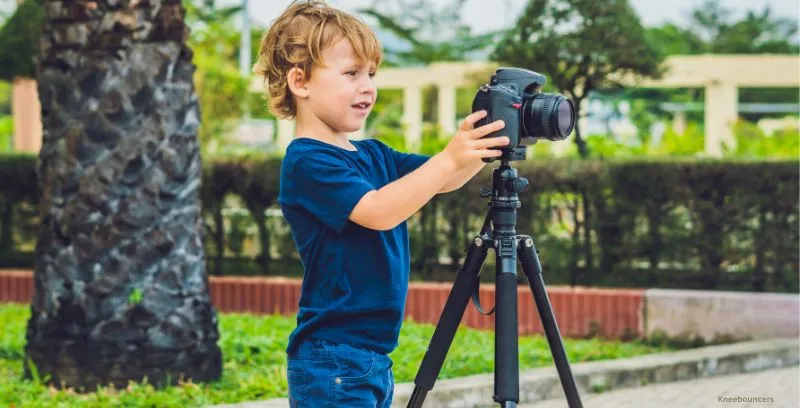
Learning about photography provides an excellent opportunity for a young child to develop creative and critical thinking skills. Photography teaches mathematical skills like spatial awareness, shapes, and patterns. Children also develop scientific inquiry skills as they play with colors, shadows, and lighting, and learn about the technology involved in taking and creating a printed photo.
Interested in giving KneeBouncers a try? Test out some of our free, toddler-safe learning activities like: dino dash to learn numbers, the magic hat to practice shapes, and colorific for color recognition!
Related posts
Play with Purpose: Reinforcing learning between play and KneeBouncer games


Rainbow of Fun: Colorful Activities for Toddlers and Preschoolers
DIY Cause and Effect Play for Preschoolers; Building Self-Confidence Through Play
Arts & Crafts for Outdoors!

L. Elizabeth Forry
L. Elizabeth Forry is an Early Childhood Educator with fifteen years of classroom teaching experience. She earned a Master of Science in Early Childhood Education from The University of North Dakota and has a Bachelor of Arts in English and one in Music from Lebanon Valley College. She has taught children in Japan, Washington D.C., Chicago, and suburban Maryland. She is trained as a reading therapist, has a TEFL certification, and has done extensive work with children regarding mental health, social-emotional development, gender development. She has written curriculum for children and educators and has led training sessions for parents and educators on various topics on early childhood development. She is the mother of two boys and resides outside of Annapolis, Maryland.
Related posts
Play with Purpose: Reinforcing learning between play and KneeBouncer games
Rainbow of Fun: Colorful Activities for Toddlers and Preschoolers
DIY Cause and Effect Play for Preschoolers; Building Self-Confidence Through Play