DIY Cause and Effect Play for Preschoolers; Building Self-Confidence Through Play
Play is a fantastic way to boost children’s self-confidence. It engages their cognitive skills, promotes problem-solving and creativity, and promotes their sense of independence and self-worth.
Your toddler is reaching independence and has a strong need to figure things out for themself. “I can do it!” or “Me do.” are common refrains if you live with any child under four.
Although the “I can do it” phase is challenging at times, this period is an excellent opportunity for your child to exhibit independence and for you to boost their confidence. Your toddler is at an age of exploration and engaging in cause and effect play. When toddlers engage in DIY cause and effect play they learn about the world and how materials and objects function.
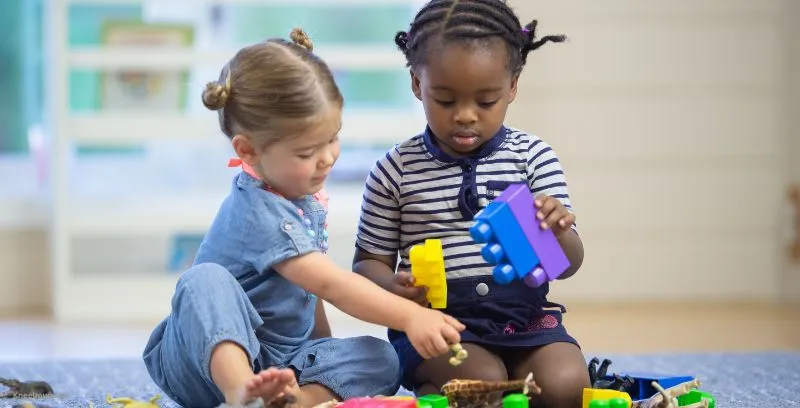
Toddlers engage in cause-and-effect play all day, often without even realizing it. What’s great is that there are many ways you, as parents, can enhance that play with DIY activities and materials you already have around the house!
What is Cause and Effect Play for Toddlers?
Cause and effect center around the concept of “Why? and “Because.” Watch this brief video from National Geographic Learning with your child that explains cause and effect.
Cause is the action, and effect is the result! KneeBouncers offers several cause-and-effect games for toddlers and preschoolers that help teach this crucial cognitive concept.
Run Puppy Run is an interactive game in which the faster your toddler clicks the mouse, the faster the puppies run. Your toddler can experiment with cause and effect as they make the puppies go slow, then fast, etc. Talk about what they had to do to make the puppies move quickly compared to what they did to move them slowly.
At Home DIY Cause and Effect Play for Toddlers
Cause-and-effect play is a type of exploratory play in which children learn about the relationship between their actions and the resulting outcomes. This type of play is crucial for cognitive development as it helps build problem-solving skills, hand-eye coordination, and creativity. It also enhances spatial awareness and fine motor skills.
Here are some fun and easy activities you can try with your little ones:
- Sensory Bin Exploration: Fill a bin with rice, beans, or sand and hide small toys or other objects. Give your child a spoon or scoop and let them explore the texture and sound of the contents. They will learn about cause and effect as they dig and discover the hidden items.
- Bubbles and Balloons: Blow bubbles or inflate a balloon and let your child pop them. This activity teaches cause and effect in a fun and interactive way, and they will love the suspense of not knowing when the bubble will pop. Reinforce bubble and balloon games by playing Pop-o-lot. Bubbles float on the screen with letters as your child finds and matches specific letter sets. They receive one reaction when an incorrect bubble is chosen and a different reaction when a correct one is popped.
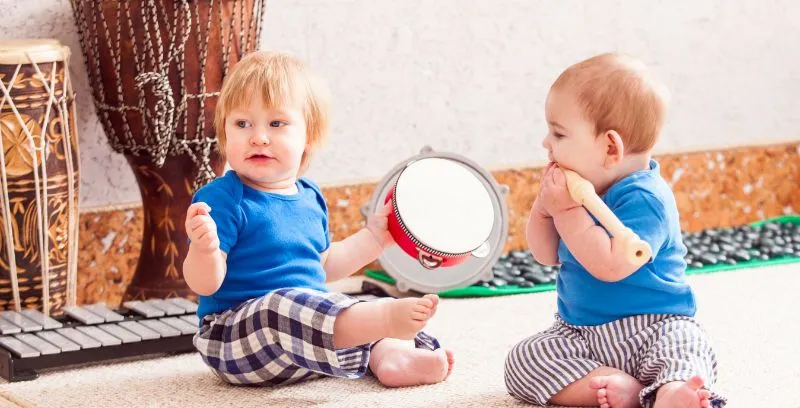
- Music Making: Offer your child simple musical instruments such as a drum, a xylophone, or maracas. If you don’t have instruments, fill an empty container with rice or beans to shake or use two utensils as rhythm sticks. They will learn about cause and effect as they realize that hitting or shaking the instruments produces different sounds.
- Story Sequencing: Read a simple story with pictures to your child and then mix up the order of the pages. Ask them to put the story in the correct order. This activity helps develop problem-solving skills and understanding of cause and effect.
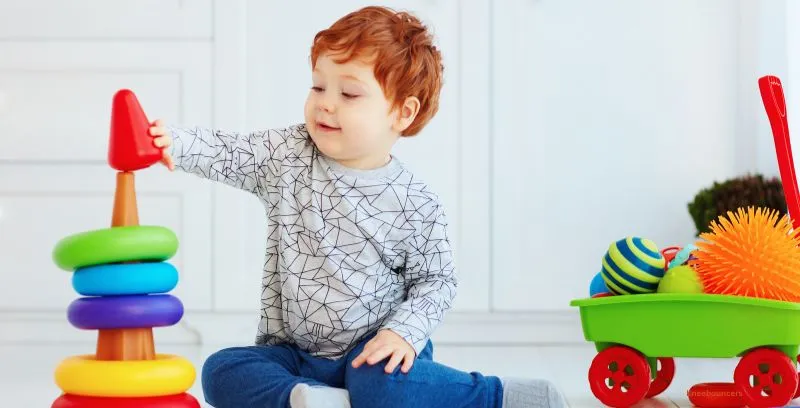
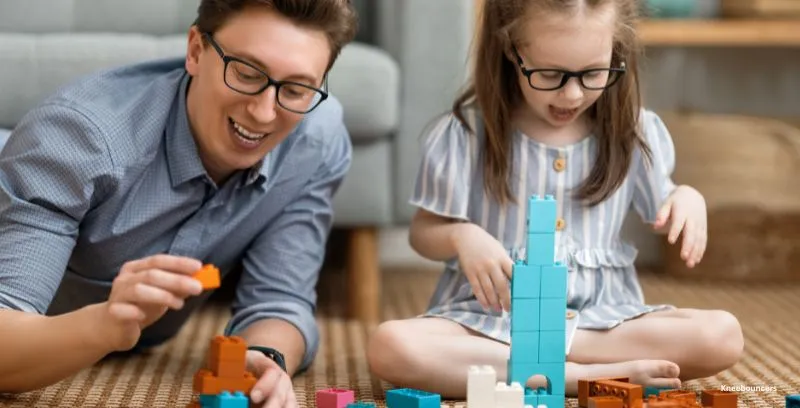
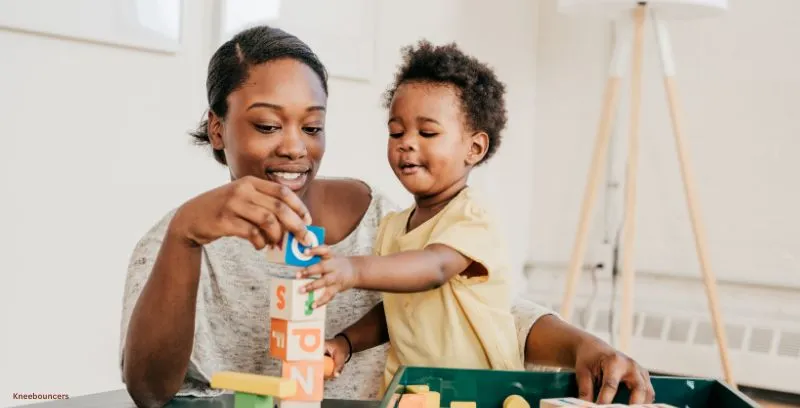
- Building and Construction: Challenge your child to stack blocks as high as they can, or use LEGOS or magnet tiles to create a specific shape or design. They will understand cause and effect as they see how their actions make the blocks fall or stay upright, or what shapes they can and cannot create.
- Natural Cause-and-Effect Observations: Observe what happens in your home or neighborhood when certain things do or do not occur. No one took out the trash, so now the kitchen smells. It hasn’t rained for two weeks and the grass is turning brown.
Benefits of DIY Cause and Effect Play for Young Learners
Cause and effect play boosts your child's confidence, critical thinking skills, cognitive development, and the ability to reason. Through the process, they problem-solve and work out the solution independently, which naturally boosts their confidence. Think of the rush of endorphins you feel when you solve a challenging issue at work or complete a 1,000-piece puzzle.
Parents can, of course, guide them, but avoid giving them the solution, even when they are struggling. Instead, coach them towards a solution.
For example, if they are stacking blocks and the blocks continue to fall each time the fourth block is placed on top, you could say something like, “Hmmm, each time you put that fourth block on top, it falls. Do you think there’s another way you could stack the blocks?”
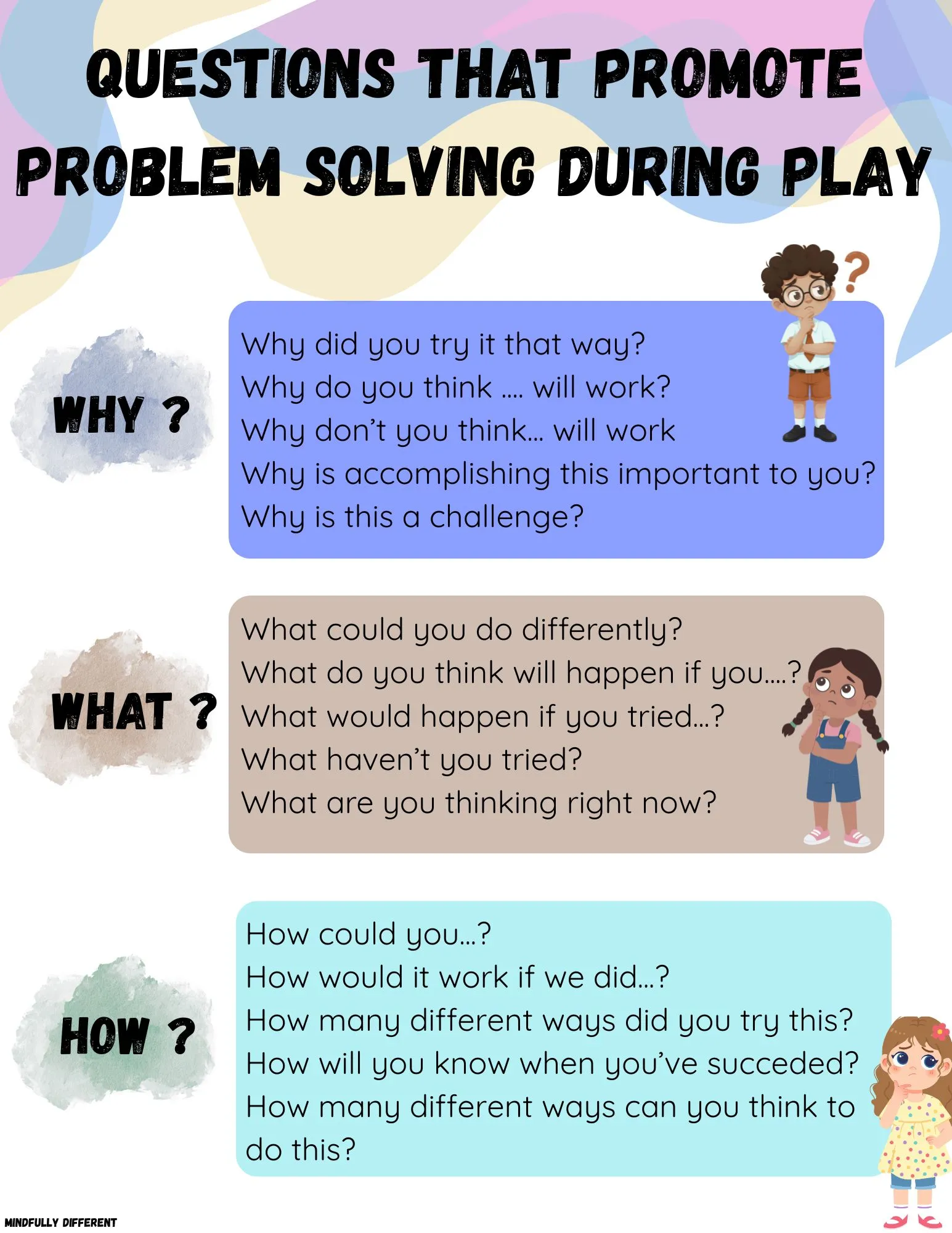
Encouraging your child to solve a problem on their own will boost their self-confidence once they do! Not sure what to say or ask to prompt problem-solving? Download the free resource below from Teachers PayTeachers and keep it handy while you engage in cause-and-effect play with your toddler.
Questions to promote problem-solving:
- What could you do differently?
- What do you think will happen if you (blank)?
- What would happen if you tried (blank)?
- How could you (blank)?
- Why do you think that’s happening?
Games and Toys that Promote Cause and Effect Learning
- Blocks and building toys
- Tangrams
- Puzzles
- Board games
- Physical games (soccer, bowling, t-ball, riding a scooter)
- Open-ended arts and crafts
- Dramatic play
- Strategy games (checkers, mancala, chess)
- KneeBouncer interactive games like Choo Choo and Vrooom
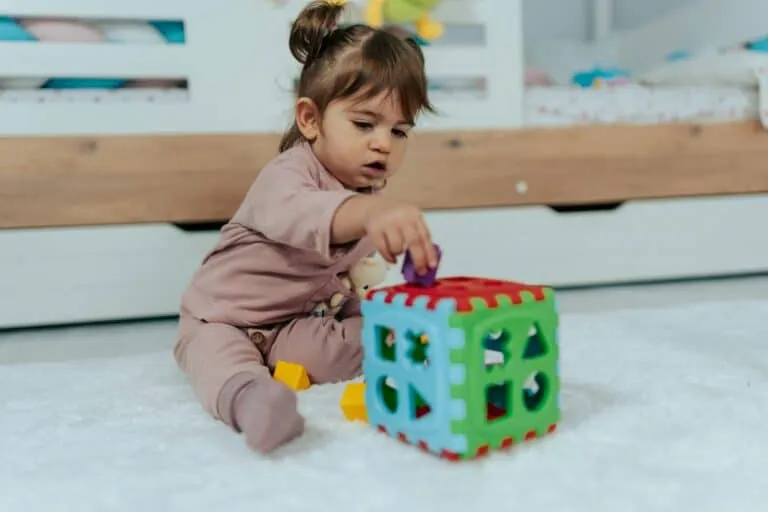
Ready to boost your toddler's self-confidence through play? Dive into the world of DIY cause-and-effect activities that you can easily set up at home. These engaging activities not only entertain but also foster critical thinking, problem-solving, and independence in your little one. By encouraging your child to explore and experiment, you’re setting the stage for lifelong learning and confidence.
As you embark on this playful journey, remember that your role is to guide and support your child, allowing them to discover solutions independently. This approach not only enhances their cognitive development but also builds their self-esteem. So, gather your materials, spark curiosity, and watch as your toddler thrives through the power of play. For more tips and resources, download our free problem-solving prompts to keep the learning going!
Related posts

12 Top-Notch Music Books for Kids


Five Easy Ideas for Happy Parents and Happy Kids

10 Magical Christmas and Holiday Apps for Parents
8 Hanukkah Activities for Toddlers and Preschoolers

L. Elizabeth Forry
L. Elizabeth Forry is an Early Childhood Educator with fifteen years of classroom teaching experience. She earned a Master of Science in Early Childhood Education from The University of North Dakota and has a Bachelor of Arts in English and one in Music from Lebanon Valley College. She has taught children in Japan, Washington D.C., Chicago, and suburban Maryland. She is trained as a reading therapist, has a TEFL certification, and has done extensive work with children regarding mental health, social-emotional development, gender development. She has written curriculum for children and educators and has led training sessions for parents and educators on various topics on early childhood development. She is the mother of two boys and resides outside of Annapolis, Maryland.
Related posts
12 Top-Notch Music Books for Kids
Five Easy Ideas for Happy Parents and Happy Kids
10 Magical Christmas and Holiday Apps for Parents